Let’s Talk About It Tuesday: Space Exploration — How STEAM Is Taking Us Back to the Moon and Beyond
Let’s Talk About It Tuesday:
Space Exploration — How STEAM Is Taking Us Back to the Moon and Beyond
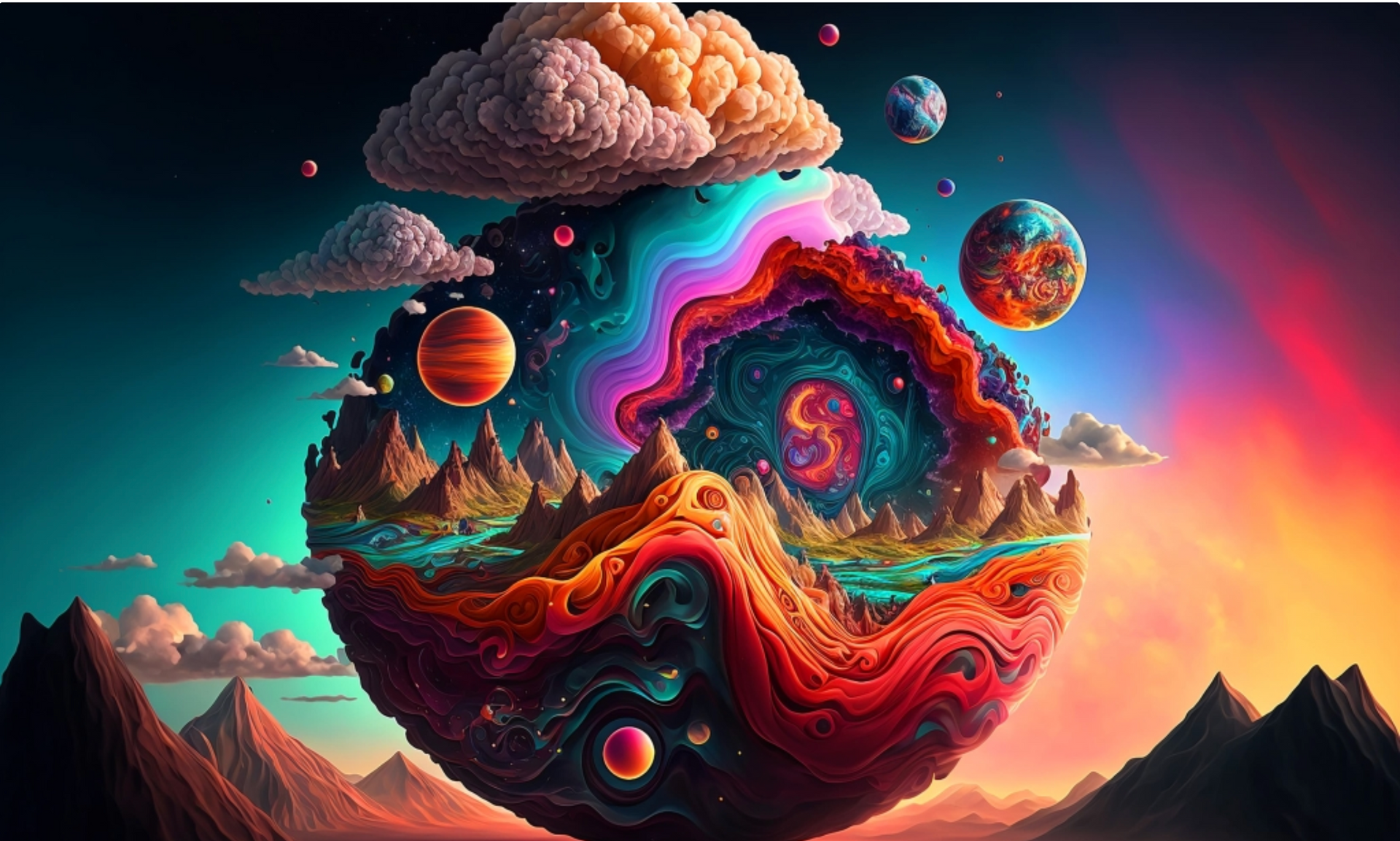
Space exploration is entering a new era. Missions to the Moon, Mars rovers, private space travel, and even asteroid mining are no longer science fiction, they’re actively happening. And STEAM is at the center of every discovery.
Today, let’s talk about how Science, Technology, Engineering, Arts, and Math are fueling humanity’s journey deeper into space.
Science: Understanding the Universe
Space exploration starts with science, astronomy, physics, and planetary science.
Scientists study:
- how stars form
- how planets behave
- how gravity operates in different environments
- what materials exist on other worlds
This research guides every mission.
Technology: Tools Built for the Unknown
Space missions require technology that can operate in extreme conditions.
That includes:
- AI-powered rovers
- high-resolution telescopes
- radiation-resistant computers
- advanced cameras and sensors
- communication systems that transmit across millions of miles
Technology keeps astronauts and robots safe far from Earth.
Engineering: Creating Machines That Can Survive Space
Space engineering is some of the most challenging work on Earth. Engineers build:
- rockets
- space habitats
- landing systems
- spacecraft
- suits that protect against temperature extremes
Engineering allows humans to explore places no one has ever walked before.
Arts: Visualizing the Future
Artists help us imagine and understand space.
Art contributes to:
- spacecraft interior design
- mission badges
- space simulations
- educational visuals
- user-friendly interfaces for astronauts
Even NASA employs designers and illustrators to communicate discoveries.
Math: Navigating the Cosmos
Every trajectory, landing, orbit, and fuel calculation depends on math.
Astronauts and engineers rely on math to:
- calculate launch windows
- adjust spacecraft speed
- determine safe landing zones
- plan missions years in advance
Space exploration is math in motion.
Let’s Keep the Conversation Going
If you could visit the Moon, Mars, or a space station, which would you choose?
What would you hope to discover?