Let’s Talk About It Tuesday: Artificial Intelligence & Workforce Evolution — Preparing Students for What’s Next
Let’s Talk About It Tuesday:
Artificial Intelligence & Workforce Evolution — Preparing Students for What’s Next
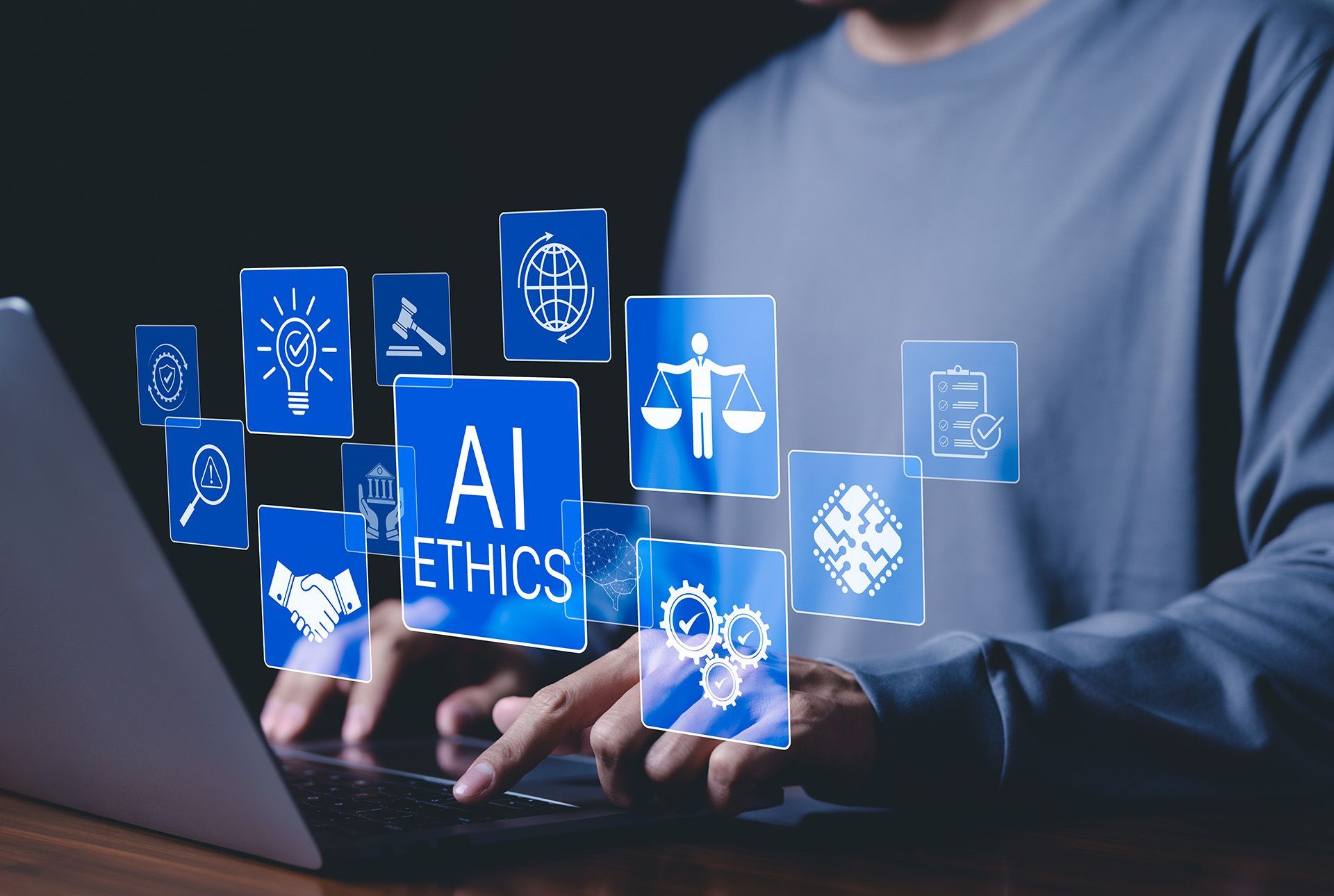
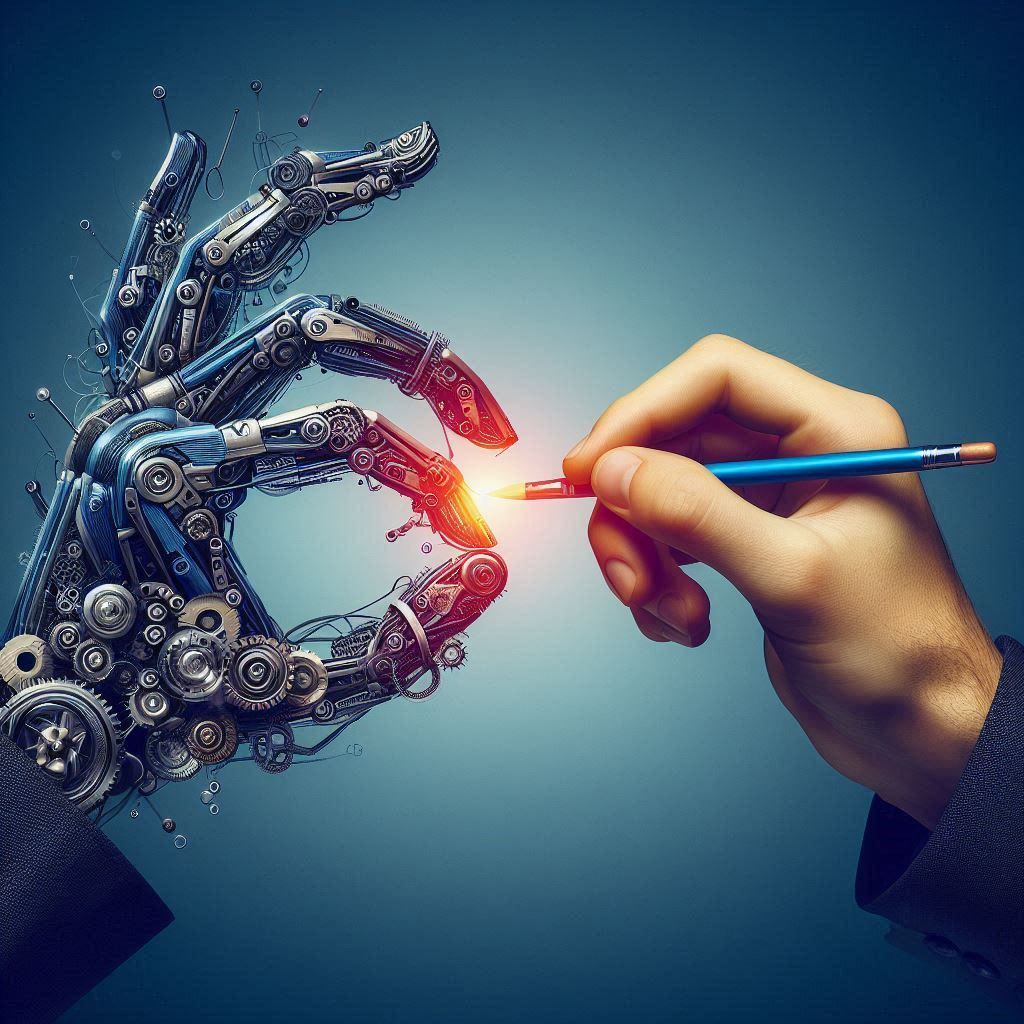
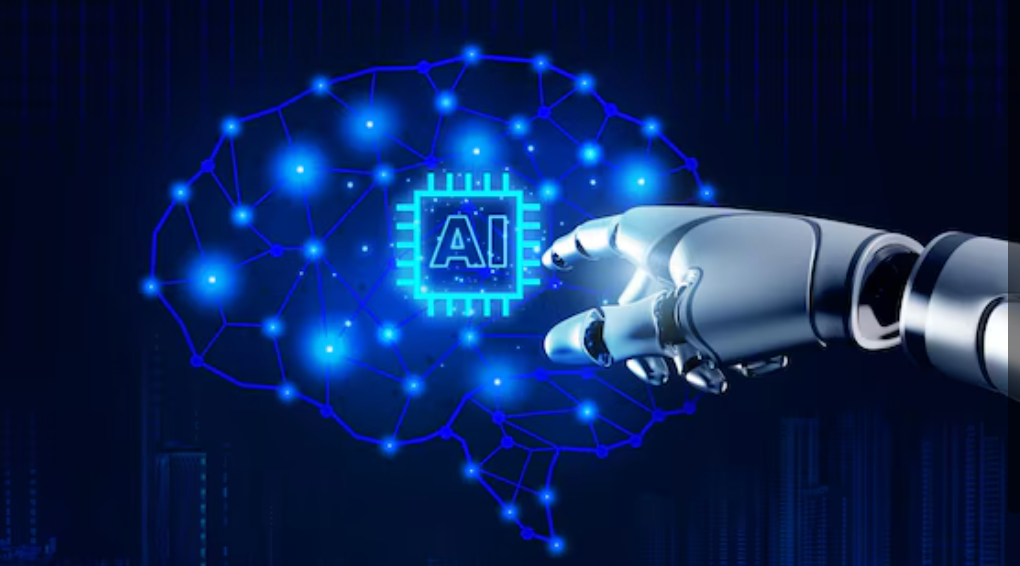
Artificial intelligence is no longer a distant concept discussed only in tech circles. It is actively reshaping industries, redefining job roles, and transforming how businesses operate across the globe. From automated customer service systems to predictive analytics in healthcare and finance, AI is influencing the workforce in real time. That makes STEAM education more important than ever. Students today are not just preparing for existing careers; they are preparing for careers that are still being created.
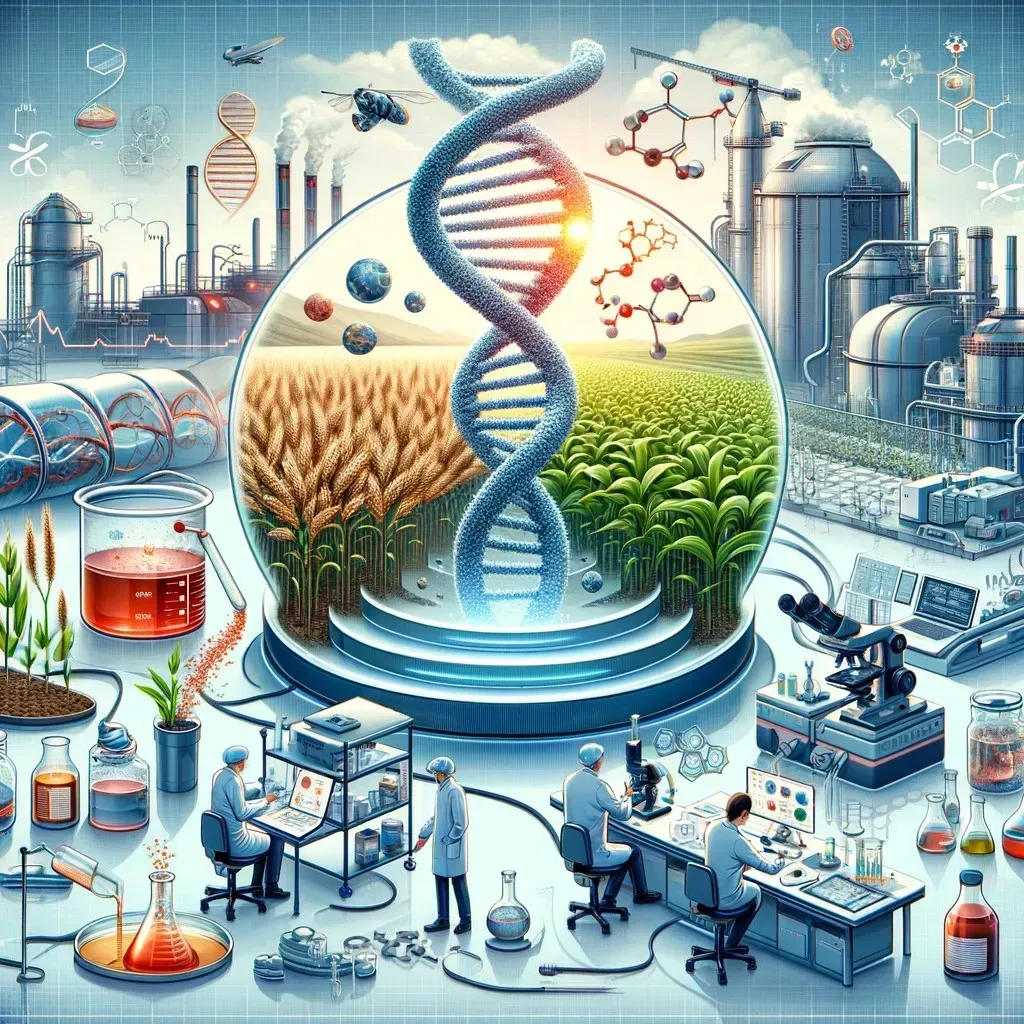
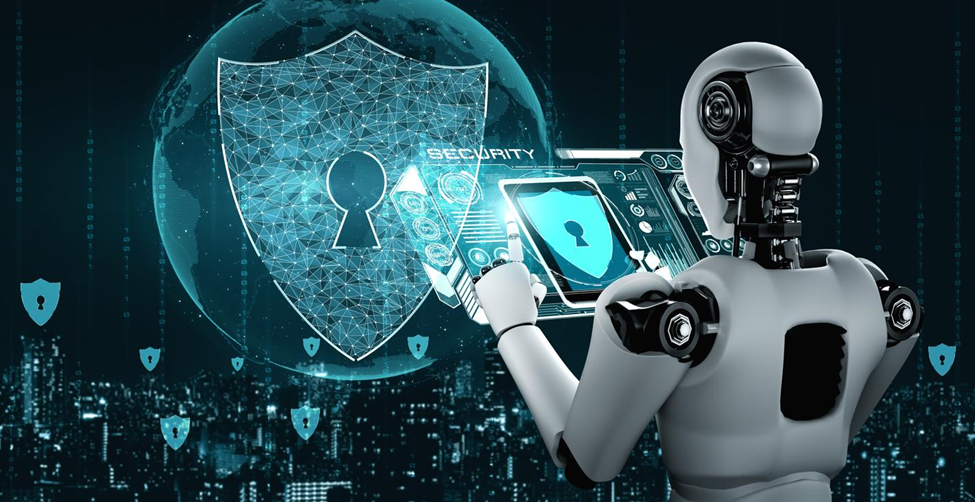
At its core, AI blends computer science, data analysis, psychology, and ethics. Students studying artificial intelligence must understand how algorithms learn patterns, how data influences outcomes, and how bias can unintentionally shape results. Technology enables machine learning systems to process massive datasets at incredible speed, while engineering ensures those systems are scalable, secure, and reliable. Mathematics powers the probability models and optimization strategies behind every AI decision, and the arts remind us that design, ethics, and human-centered thinking must remain part of innovation.
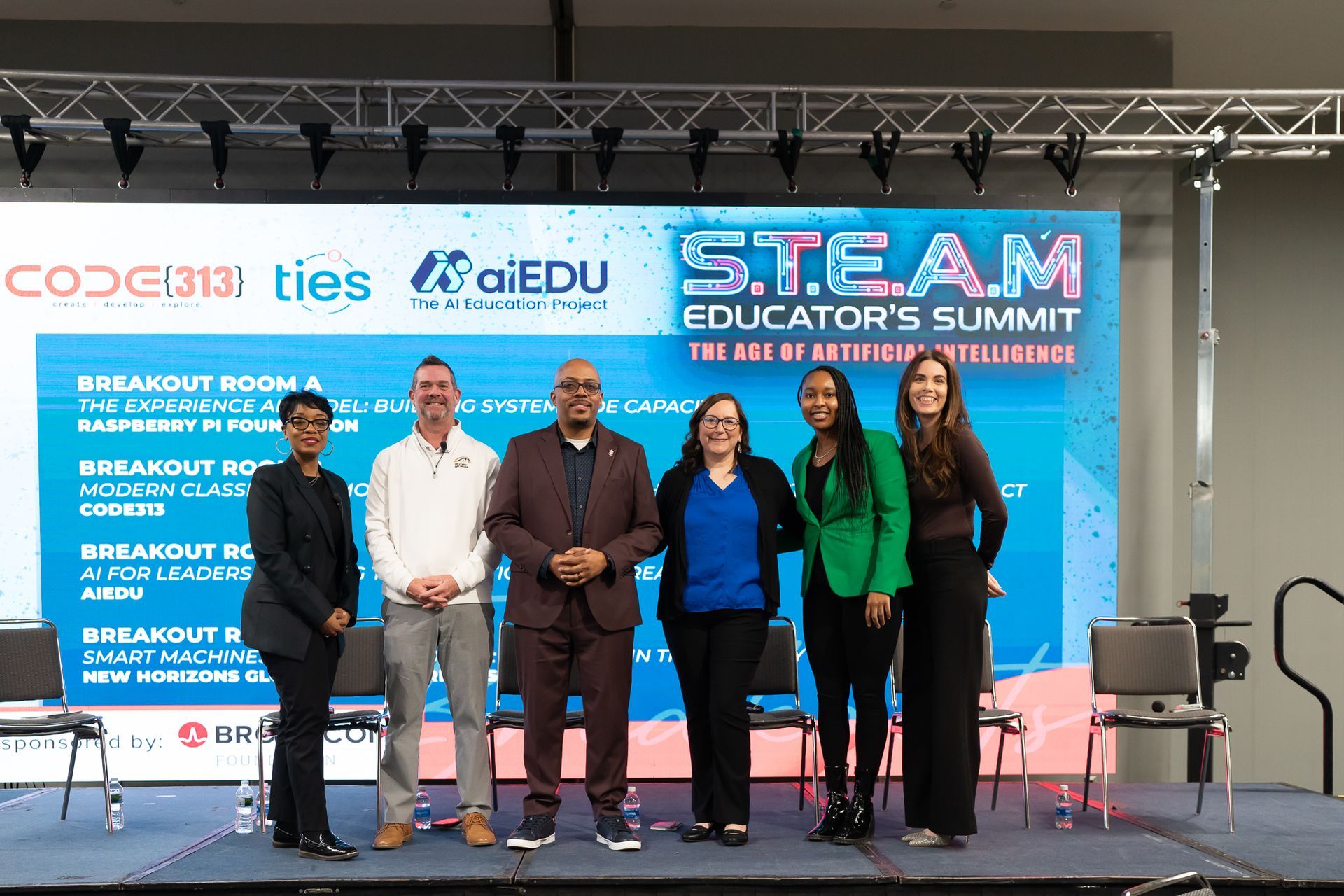
Education systems that integrate AI literacy early are equipping students not just to use tools, but to build them. Understanding how AI functions empowers young innovators to lead responsibly rather than simply consume technology. As automation continues to evolve, adaptability, creativity, and technical fluency will define the workforce of the future.
Key Focus Areas for Students:
- Understanding machine learning and data literacy
- Exploring ethical AI and bias prevention
- Building coding and problem-solving skills
- Strengthening creativity alongside technical thinking
Let’s Talk About It:
How should schools balance technical AI skills with ethical responsibility, and what role should students play in shaping the future of intelligent systems?