Let’s Talk About It Tuesday: Renewable Infrastructure — Building Communities That Last
Let’s Talk About It Tuesday:
Renewable Infrastructure
Building Communities That Last
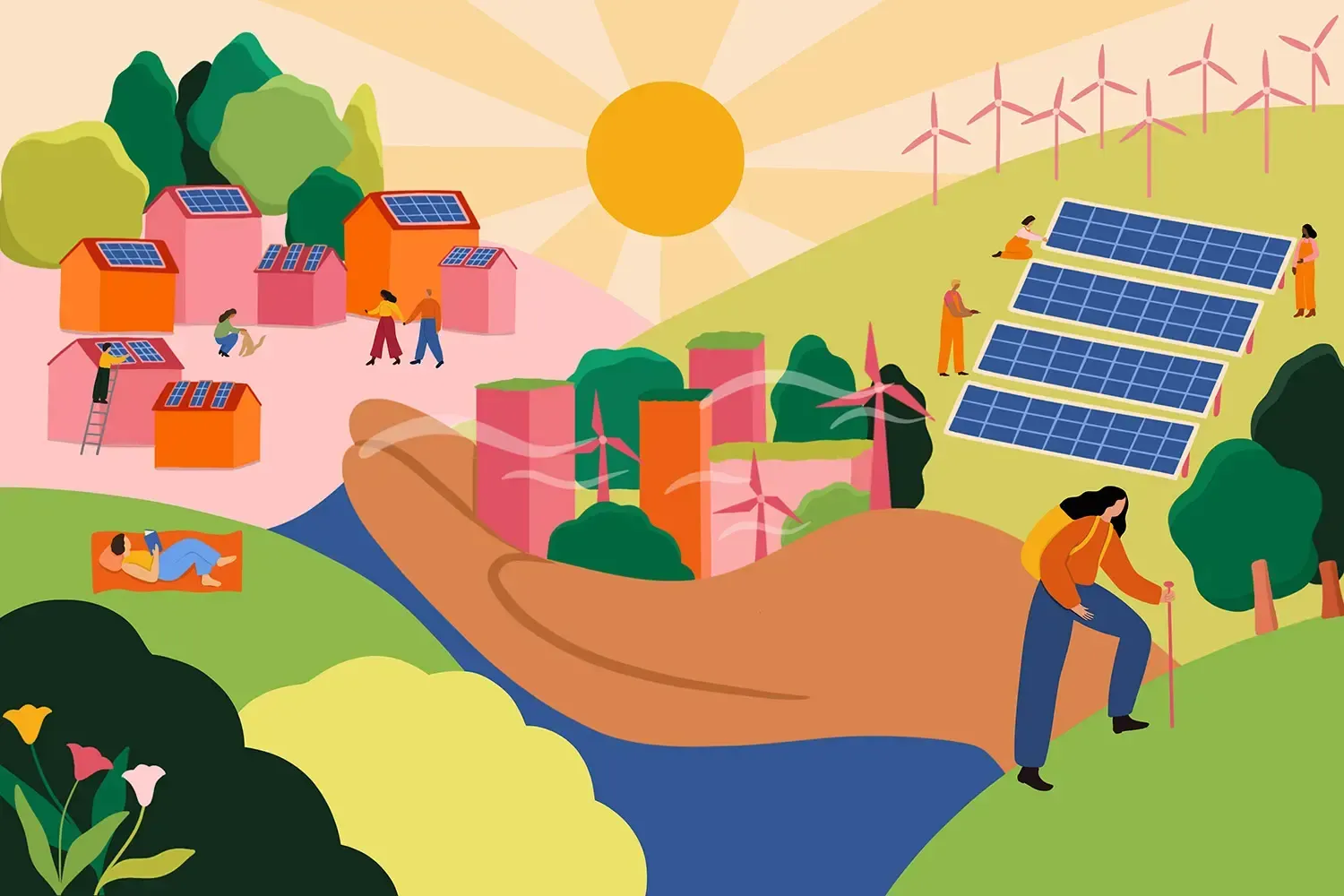
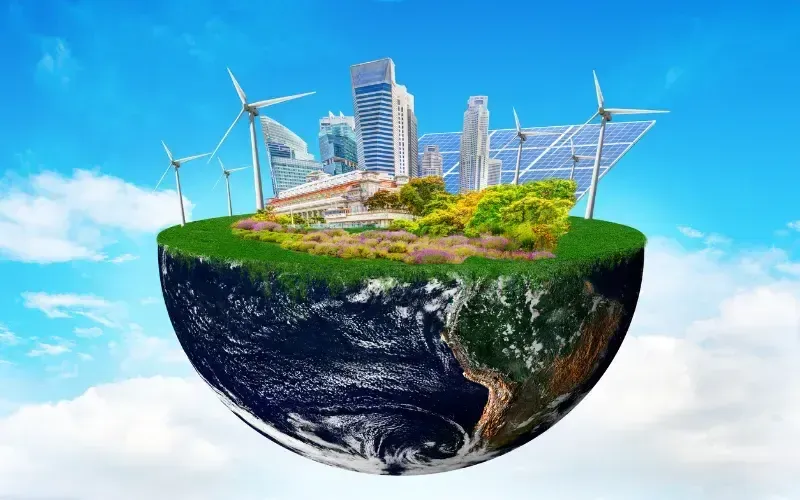
Across the world, communities are rethinking how infrastructure is designed and maintained. Renewable infrastructure goes beyond installing solar panels or wind turbines. It includes energy-efficient buildings, sustainable public transportation systems, and resilient urban planning that reduces environmental impact while supporting population growth. STEAM education plays a critical role in preparing students to design the systems that will power future cities.
Scientific research informs renewable infrastructure through climate studies, energy transfer principles, and environmental impact analysis. Technology supports the monitoring of energy grids, battery storage performance, and electric vehicle charging networks. Engineering transforms these concepts into large-scale solutions by constructing microgrids, smart buildings, and integrated transportation systems. Mathematics guides energy forecasting, cost modeling, and system optimization to ensure sustainability remains both effective and economically viable. The arts ensure that renewable infrastructure is visually integrated into communities in ways that feel welcoming, functional, and accessible.
Students who understand renewable systems are not just learning about sustainability; they are preparing to solve global challenges related to climate resilience and equitable resource distribution. As infrastructure modernizes, the need for interdisciplinary STEAM collaboration continues to grow.
Key Focus Areas for Students:
- Learning how renewable energy systems function
- Studying sustainable urban planning concepts
- Exploring energy efficiency and environmental impact
- Developing interdisciplinary collaboration skills
Let’s Talk About It:
What renewable innovation would most benefit your community
and how can students begin leading in sustainable design today?