Let’s Talk About It Tuesday: Cyber-Physical Systems — Where Digital and Physical Worlds Meet
Let’s Talk About It Tuesday:
Cyber-Physical Systems
Where Digital and Physical Worlds Meet

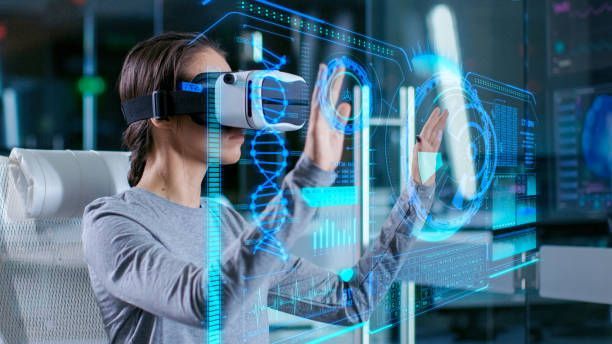
Cyber-physical systems are technologies that connect digital intelligence with physical environments. These systems power smart factories, autonomous vehicles, advanced robotics, and modern healthcare devices. They represent a powerful integration of software, hardware, and human interaction, making them one of the most important developments in contemporary STEAM education.
Scientific principles such as physics and systems theory guide how machines sense and respond to their surroundings. Technology enables sensors, real-time data processing, and network communication between devices. Engineering ensures that hardware and software operate seamlessly together, building systems that are safe, scalable, and efficient.
Mathematics supports control theory, predictive modeling, and performance optimization, allowing systems to adjust in milliseconds. The arts influence user experience, ensuring that interfaces remain intuitive and accessible as automation increases.
Students studying cyber-physical systems are learning how to design the interconnected environments that will define the future of transportation, manufacturing, and urban life. As industries continue integrating intelligent systems into everyday operations, interdisciplinary STEAM education becomes the foundation for innovation.
Key Focus Areas for Students:
- Learning systems thinking and control theory basics
- Exploring sensor technology and real-time data systems
- Understanding hardware and software integration
- Designing user-friendly, accessible interfaces
Let’s Talk About It:
How should schools introduce cyber-physical systems to younger learners, and which industries will be transformed most by this digital and physical integration?